
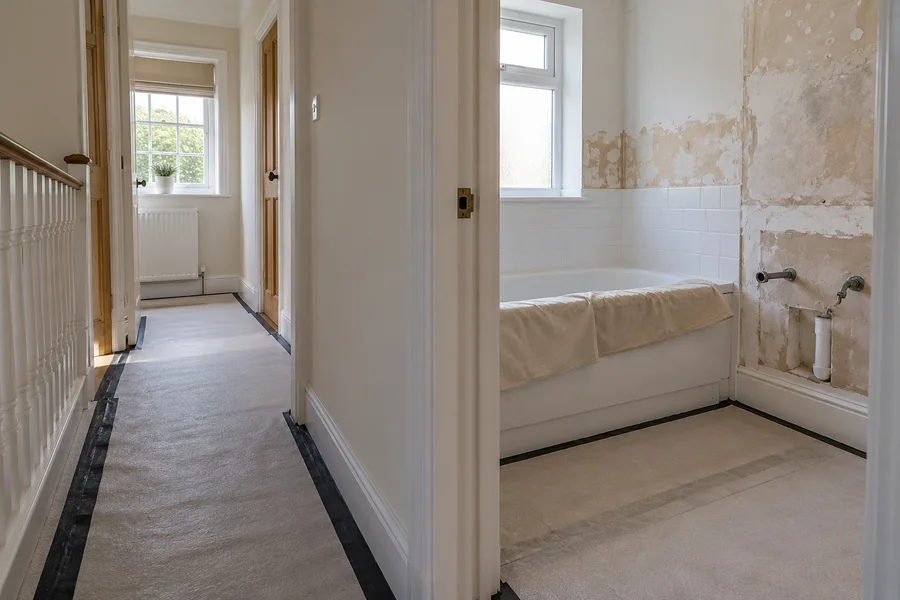
Bathroom fitting has a sequence, but the number of days depends on the room and agreed work. Use the stages to understand what must be ready, which facilities may be unavailable and what needs checking before the room is handed over.
Agree what must happen before fitting
Start with the accepted quote, current product list and agreed layout. These describe the job that the fitting schedule is based on. If the bath is still undecided or the screen size has changed, the plan may not yet be ready for a firm start. Our bathroom installation service in Dundee connects the products with the work to fit them. Ask which decisions and deliveries must be complete before removal begins, rather than treat a proposed date as a substitute for that preparation.
Remove the old fittings
Removing a bath, vanity and existing finishes is a defined part of the work, not just an empty day before fitting. The quote should identify what is coming out, how it will leave the property and which items are staying. A fitting that is to be kept may need protecting or temporarily moving. Explain shared stair access and any restriction on placing waste outside. The agreed removal arrangements should make room for the next stage without assuming that old products can be left in a common entrance.
Inspect and prepare the room
Once the old fittings are removed, the people doing the work can see surfaces that were previously hidden. A damaged floor, loose wall backing or old leak may need attention before new products are installed. The repair needs explaining, including any price and scheduling change. This is different from ordinary preparation that was already visible and included. Keep a reliable way to contact you during the work, so a necessary decision can be discussed without guessing that extra work has been authorised in advance.
Prepare the plumbing and wiring
The positions of water, drainage, ventilation and electrical fittings need to support the agreed layout. Work that will be hidden by the new surfaces belongs at the appropriate stage before those surfaces are closed. Relevant work and checks should be carried out by suitable people for the task. You do not need to direct that technical sequence yourself. You do need to understand whether moving a basin or shower changes it. A late product or position change may affect work already prepared for the earlier design.
Fit the walls and floor in the right order
Wall preparation, waterproofing arrangements and flooring follow the requirements of the selected products. Some finishes need a suitable base and time before the next work or use; the instructions for the actual materials matter. Avoid adding together generic day counts from unrelated bathrooms. Ask how the wall finish meets the tray, bath and floor in this room. That makes the sequence easier to understand and helps explain why a decorative surface cannot simply be fitted over damage to recover an earlier date.
Install the suite and storage
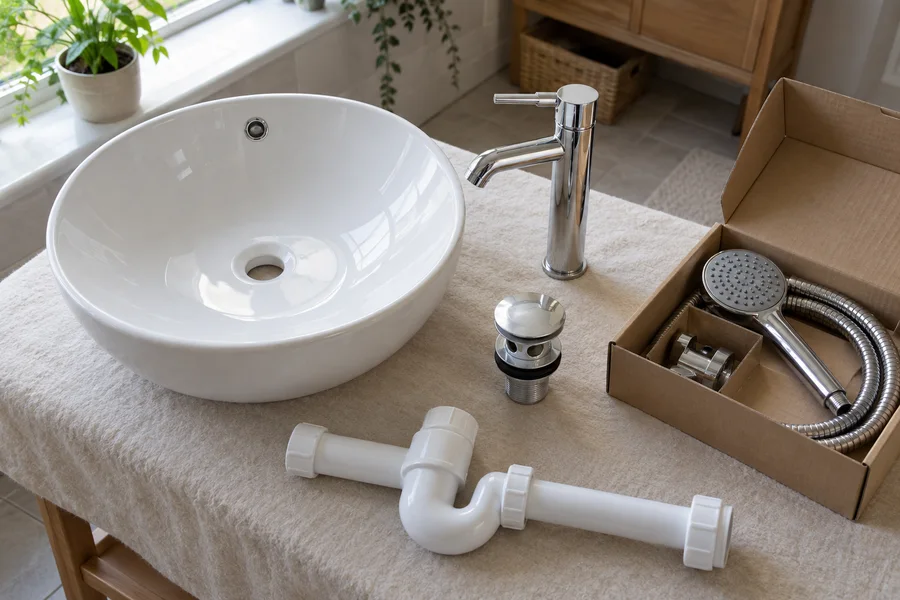
The chosen suite and furniture are fitted around the prepared room and connections. This includes more than placing a basin and toilet: screens, taps, wastes, handles, mirrors and agreed accessories need to match the product list. A missing small component can prevent a larger fitting being completed. Confirm the final choices before the job reaches this point. If you want to change an item now, ask what the replacement means for size, connections and delivery rather than assume another similar-looking product can be fitted immediately.
Test the fitted bathroom
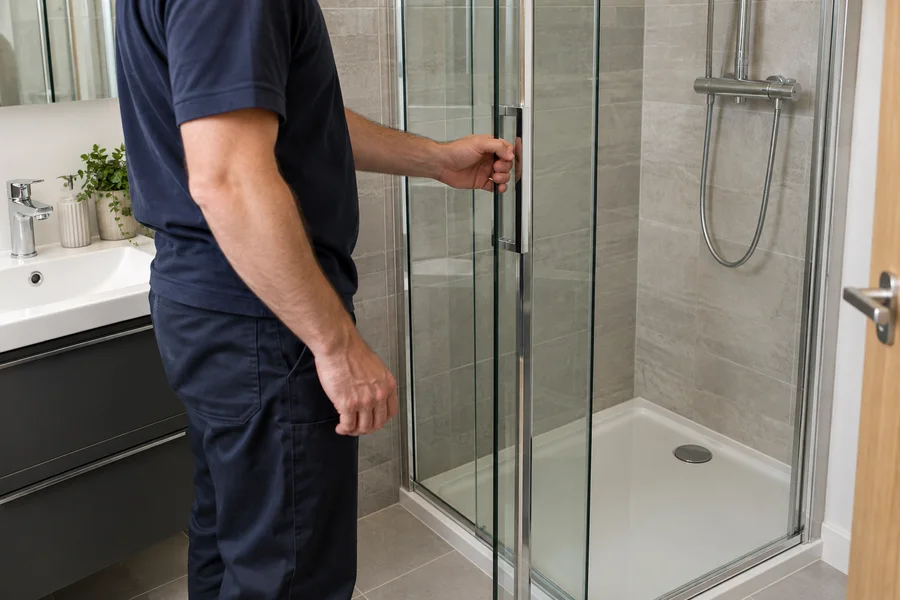
The fitted products need the relevant installation checks before the room is ready for normal use. Ask which checks and documents apply to the agreed plumbing, electrical and ventilation work. A shower can look finished before every connection, control or seal is ready. Wait until the people doing the work confirm it can be used. Where a product is not working as intended, have the issue investigated rather than assume it only needs getting used to. Testing belongs before handover, not after the household starts relying on the bathroom.
Plan access to your only toilet or shower
Tell us at the outset if this is the only toilet, bath or shower. Ask which facility may be unavailable at each stage and make a realistic household alternative before that stage begins. A temporary arrangement must be discussed for the actual job; do not assume a toilet can always remain usable. The home preparation guide covers practical household readiness. Keep facility arrangements separate from promises about a total duration, because a shorter job can still create a difficult interruption at the wrong time.
Deal with a change during the work
A changed product or new customer request can affect more than its own fitting time. It may alter materials, deliveries or work already completed. Ask for the proposed change, price and effect on dates before agreeing it. Keep the latest written version so everyone follows the same job. When comparing bathroom fitting quotes, look at how changes are handled rather than assume all proposed schedules describe identical work. A useful schedule can be explained and updated when the job changes.
Finish with a clear handover
The handover should explain how to use the new controls, care for surfaces and find relevant product information. Confirm when the installed products can be used, following their actual requirements. Record anything outstanding with its agreed next step, and keep the follow-up contact with the quote. This stage is about taking over a bathroom you understand, rather than repeating every technical check yourself. Ask for a demonstration of a control or removable part that is unfamiliar while the people who fitted it can show you.